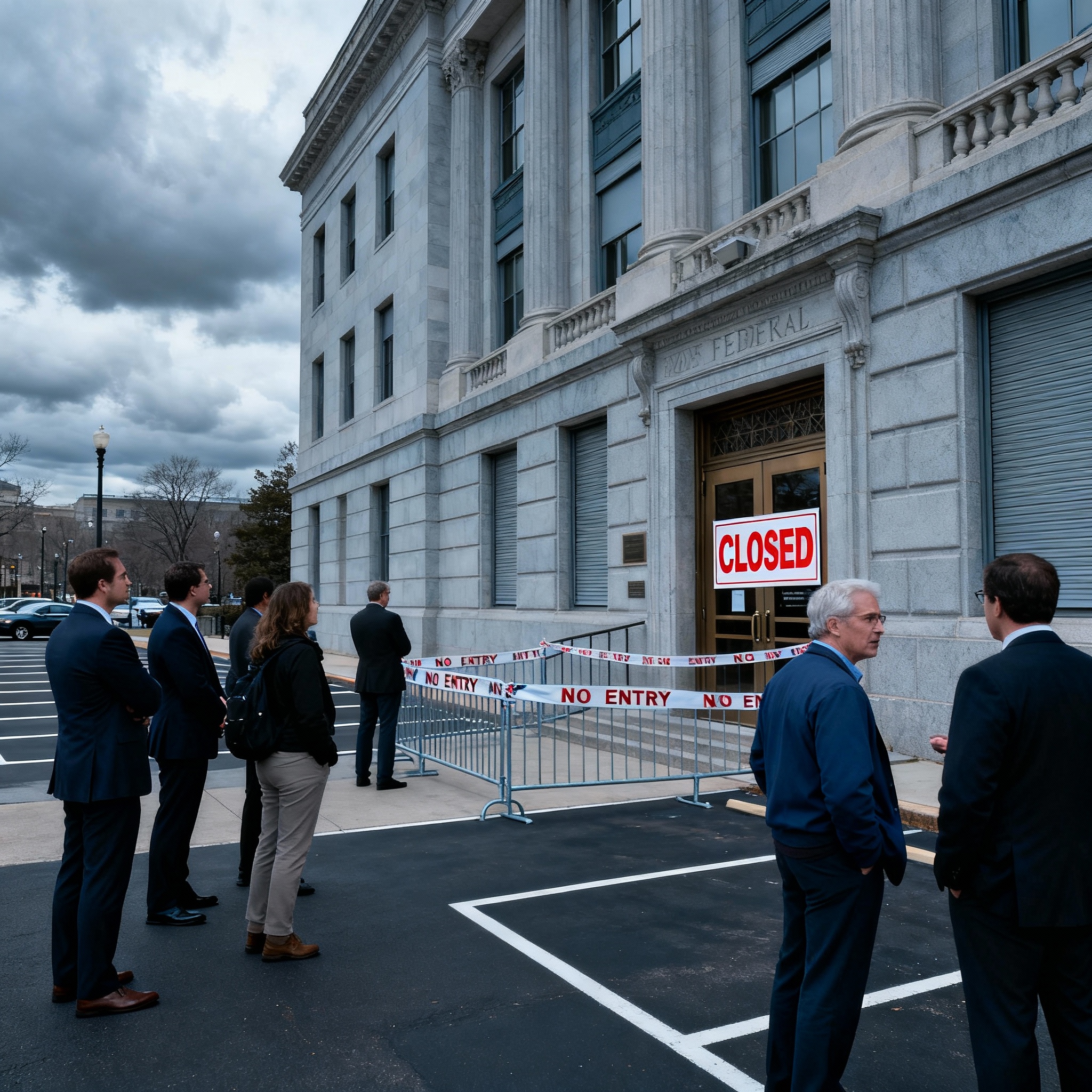
Federal agencies begin shutdown procedures after a midnight funding lapse; essential services continue while parks, museums, and many programs pause until a funding deal is reached
What happened
A deadlocked Senate failed to pass competing short-term funding plans on Tuesday, causing a lapse in appropriations and the first federal shutdown since 2018–2019 as the new fiscal year began overnight on October 1, 2025. The White House budget office instructed agencies to execute contingency plans as the funding clock expired, confirming the shutdown’s start just after midnight. Major outlets reported the shutdown as official early Wednesday, noting both parties’ blame game and the absence of a continuing resolution to keep the government open.
Is it shut down now?
Yes — the shutdown began at 12:01 a.m. ET on October 1, 2025, following a missed deadline to extend funding, with agencies initiating orderly shutdown procedures. Live coverage from national outlets has tracked the immediate impacts as the first day of the shutdown unfolds.
Budget status
Congress did not pass a short-term funding bill or full-year appropriations before the deadline, with Senate votes on dueling plans falling short of the 60-vote threshold needed to advance. Earlier in the year, lawmakers relied on a full-year continuing resolution to avert a spring shutdown, but no new bridge funding was secured for the Oct. 1 deadline.
What shuts down
- National parks, monuments, and many museums are closing, with prior shutdowns showing widespread visitor disruptions at sites like Grand Canyon, Yellowstone, and the Smithsonian.
- Publication of some critical federal economic data is halted while agencies pause non-essential operations.
- Many federal program activities that rely on annual appropriations will pause or scale back, depending on each agency’s contingency plan.
- Student loan billing continues, but workers across multiple agencies face disruptions and delayed pay until funding resumes.
What stays open
- Social Security and Medicare payments continue because they are mandatory spending, though some SSA services (like benefit verifications, earnings corrections, and some card replacements) may be slowed or temporarily paused.
- SNAP and WIC food programs continue operations as funds allow under agency contingency authorities, according to USDA planning.
- The U.S. Postal Service remains open because it does not depend on annual congressional appropriations for operations.
- Essential services protecting life and property continue (active-duty military, federal law enforcement, air traffic control, TSA), typically with delayed pay until after the shutdown ends.
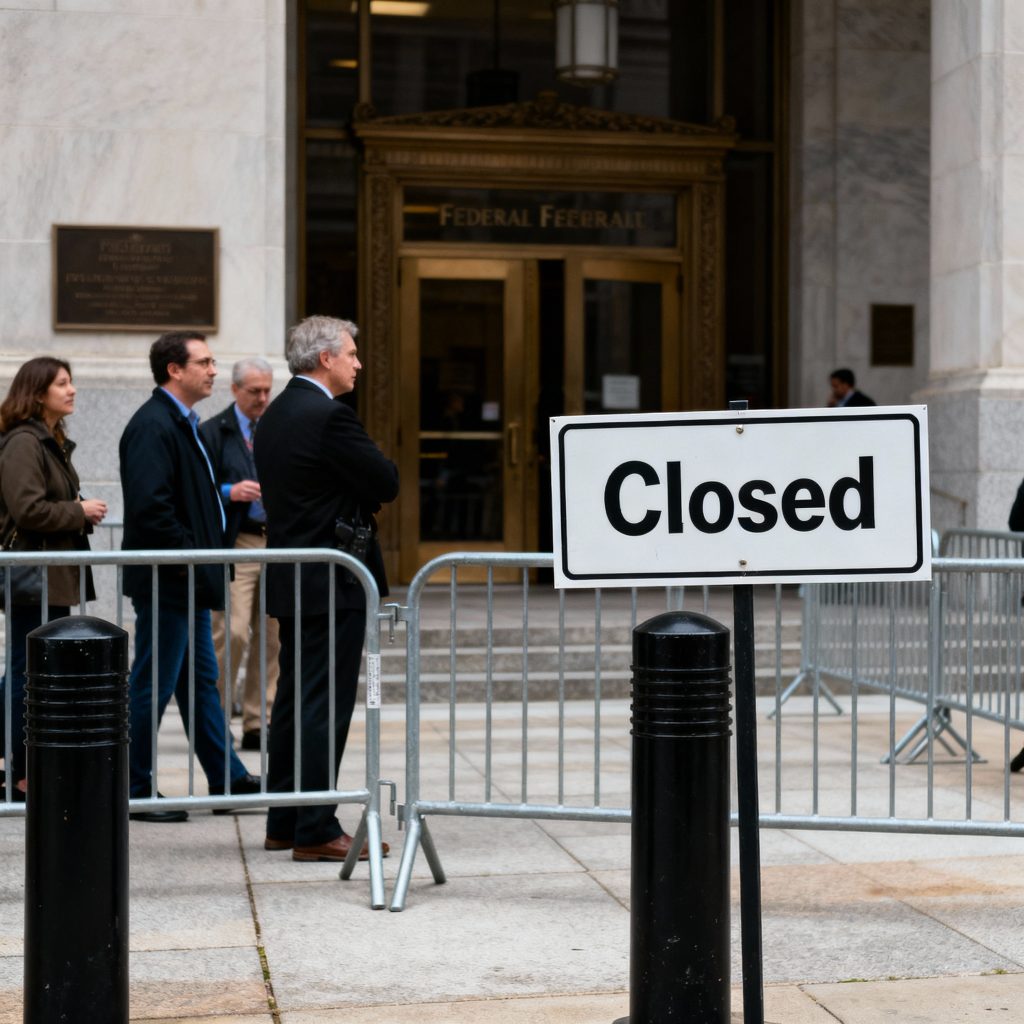
Social Security impact
Monthly Social Security checks continue without interruption because benefits are funded by mandatory spending, not annual appropriations, covering roughly 74 million beneficiaries. Expect slower customer service and pauses for some administrative tasks such as benefit verifications, non-adjudicative earnings updates, FOIA requests, and certain overpayment processing during the shutdown.
Federal workers and furloughs
Federal agencies are furloughing hundreds of thousands of employees, and many others must keep working without pay until Congress restores funding. Before the deadline, agencies planned to furlough about 23% of the federal workforce — nearly 547,000 employees. The exact figures differ by department and depend on when the measures take effect.
Travel, courts, and data
Air traffic controllers and many TSA personnel continue working, typically without pay until appropriations resume, which can create strain and potential travel disruptions if the shutdown persists.Federal courts warned they could run out of money within days if the shutdown drags on, which may force them to curtail operations once limited carryover funds run out. Agencies are operating under contingency plans, and they have paused key federal economic releases, restricting markets’ access to official data.
How long will it last?
The duration remains uncertain and depends on negotiations in Congress and the White House. Officials admit it is difficult to predict when they will reach a deal. It is the first shutdown in six years, underscoring the depth of the current impasse and the political stakes around spending priorities and policy riders.
Where each side stands
Fox News coverage highlights Republican efforts to pass a short-term “clean” continuing resolution through November 21 and frames Democrats as blocking it over health care subsidy demands, while the administration signaled agencies to prepare for shutdown operations before the deadline. Other outlets reported both parties’ failed Senate plans and the mutual blame as the clock ran out, leaving agencies to execute their shutdown playbooks.
What this means for daily life
- Benefits: Social Security and Medicare payments continue, but expect slower SSA service for some administrative requests.
- Travel: Flights continue with controllers and TSA on the job, but staffing without pay can strain operations if the standoff persists.
- Public places: Many national parks and museums close, limiting access to popular attractions.
- Data and deadlines: Some federal statistics releases pause, and agency-specific processing that relies on annual funds can slow or stop.
What to watch next
Senate negotiators will keep working on a short-term funding agreement, while agencies carry out shutdown plans . Live coverage will track any breakthroughs on a continuing resolution or a broader deal to restore funding and pay.
About the Author


