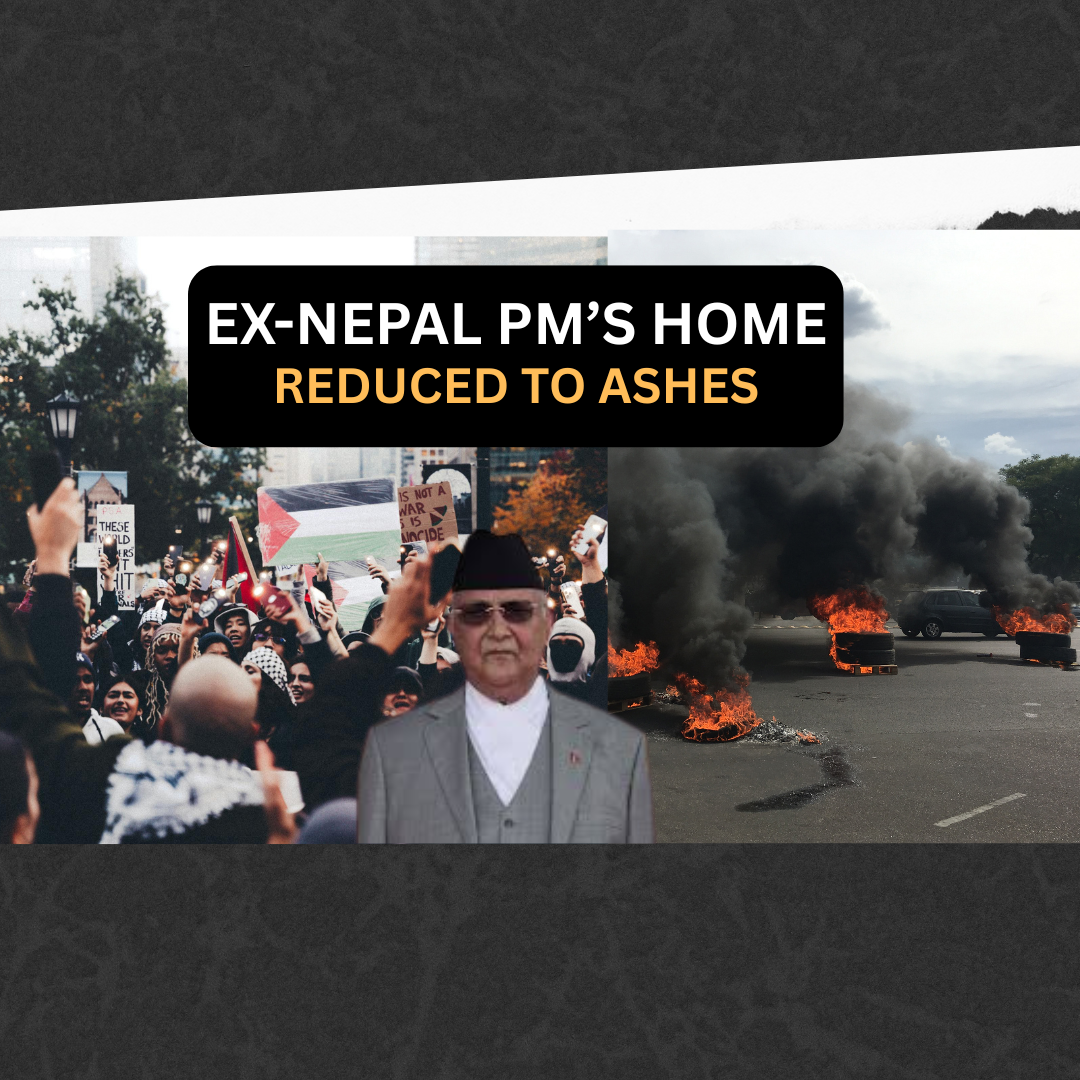
Protesters clash with security forces in Kathmandu as fires engulf government buildings during Nepal’s youth-led uprising following a sweeping social media ban.
The big picture
Fierce youth-led protests in Nepal escalated into arson and street battles in Kathmandu after a sweeping social media ban and long-simmering anger at corruption and “nepo kids,” with soldiers now guarding parliament and a citywide curfew in force. Multiple outlets report that Prime Minister K.P. Sharma Oli has resigned amid the violence, as the death toll and injuries climbed during two days of the country’s worst urban unrest in years.
What sparked the protests
The immediate trigger was the government’s suspension of 26 major platforms (including Facebook, Instagram, WhatsApp, and YouTube), which protesters saw as a bid to silence dissent rather than a regulatory step, igniting nationwide youth mobilization. Underneath the ban were years of frustration over corruption, elite impunity, and viral outrage at the lavish lifestyles of politicians’ children branded as “Nepo Kids,” themes that galvanized the predominantly 13–28 age cohort into action. Human Rights Watch also cited the use of lethal force against demonstrators, calling for investigations into police abuses during the initial clashes in Kathmandu and other cities.
How the violence unfolded
What began as mass rallies quickly spiraled when protesters set government institutions ablaze, including Parliament and parts of the Supreme Court complex, while clashing with security forces across the capital. Organizers insist the movement was meant to be peaceful and say it was “hijacked” by infiltrators and opportunists, even as the army accuses anarchic elements of looting and arson during the chaos. Thick black smoke rose over a locked-down Kathmandu as soldiers patrolled the streets to enforce curfew orders and restore order after two nights of running unrest.
High-profile targets and assaults
Demonstrators attacked or vandalized residences and offices linked to top political figures, including the homes of at least five former prime ministers and major party headquarters across the city. Video and local reports show ex-PM Sher Bahadur Deuba and Foreign Minister Arzu Rana Deuba were assaulted as mobs stormed their residence, marking one of the most shocking episodes of the turmoil. Some Indian outlets reported the death of former PM Jhala Nath Khanal’s wife, Rajyalaxmi Chitrakar, in a blaze, a claim still awaiting consolidated official confirmation on international wires and therefore treated cautiously.
Death toll and security clampdown
Initial tallies cited at least 19 dead with hundreds injured as security forces used tear gas, rubber bullets, and in some instances live fire to disperse crowds pressing against barricades outside parliament. As soldiers took positions around core state sites, authorities imposed curfews and intensified patrols, with casualty counts continuing to be updated as hospitals reported a high influx of injured. Protest leaders announced a pause in further marches while urging strict enforcement to prevent hijacking and vandalism, underscoring a split between peaceful organizers and violent actors on the streets.
Hilton Kathmandu fire and tourism shock
The hospitality sector suffered a high-profile blow as the Hilton Kathmandu was reported “charred” during protests, with images and local travel media highlighting the property’s damage and the chilling effect on tourist confidence. Travel advisories warned visitors to avoid government districts and hotspots, as hotels near core institutions assessed safety protocols and potential insurance implications in the aftermath. Sector watchers expect booking disruptions and cancellations to ripple through Kathmandu’s premium inventory in the short term.
Airport shutdown and flights
Kathmandu’s Tribhuvan International Airport temporarily shut operations amid the violence, leading to widespread cancellations, returns, and diversions by Indian and other regional carriers before phased resumption advisories began rolling out. Live updates from regional media and airline notices advised passengers to monitor rebookings, bring valid IDs to pass security checkpoints during curfew hours, and expect rolling delays as schedules normalize. With borders on heightened alert, India-facing travel and trade corridors experienced strain as authorities prioritized safety and order over normal throughput.
Political fallout: who leads next?
Multiple reports say Prime Minister K.P. Sharma Oli resigned as the crisis deepened, while soldiers guarded parliament and senior officials were evacuated during the worst of the arson and attacks. Analysts note the near-term landscape will be security-first as the military, the presidency, and unorganized youth leaders navigate a transition, with Gen Z demands centering on accountability, anti-corruption measures, and digital freedoms. The immediate lifting of the social media ban has not quelled anger, and youth unemployment, perceived impunity for elites, and trust deficits remain core drivers of discontent.
Impact on India: borders, trade, travelers
India raised border alert levels and flagged disruptions to trade and air corridors as carriers adjusted Kathmandu rotations, leaving many travelers stranded or forced to rebook. Advisories urged postponing non-essential travel to Nepal, avoiding protest zones, and staying in close touch with airlines and consular channels during the curfew period. Indian operators implemented schedule changes and waivers, with further operational decisions tied to on-ground security assessments around the airport and city core.
Voices from the movement
Protest participants told international media that years of anger over joblessness and inequality were compounded by the social media blackout, which they described as the “final straw” that turned online organizing into street action. Organizers maintain their campaign is non-violent and focused on transparency and accountability, while condemning opportunistic violence that overshadowed initial peaceful demonstrations. Civil society groups and rights monitors are pressing for impartial investigations into protest deaths and the use of force by security agencies.
Fact-check: verified and caution notes
- Verified: Social media ban of 26 platforms triggered a Gen Z-led protest wave centered on anti-corruption and anti-nepotism themes.
- Verified: Parliament and other key state sites were set on fire; curfews imposed; soldiers patrolling Kathmandu; airport operations were temporarily suspended with phased resumption.
- Verified: Reports and footage indicate assaults on ex-PM Sher Bahadur Deuba and Foreign Minister Arzu Rana Deuba as protesters stormed their residence.
- Verified: Multiple outlets report PM Oli resigned amid the violence; agencies continue to track leadership changes and security measures.
- Caution: The reported death of former PM Jhala Nath Khanal’s wife is carried by some Indian outlets; treat as unconfirmed pending consolidated official and international-wire verification.
Travel advisory (for readers)
- If booked to Kathmandu: Check airline apps and notices for rebooking windows, waiver policies, and ID requirements at checkpoints during curfews.
- On the ground: Avoid protest hotspots and government corridors, follow local authority orders, and register with embassy/consulate channels for updates.
- Planning trips: Defer non-essential travel until curfews ease and regular flight rotations stabilize across carriers serving Kathmandu.
About the Author


nepal need suports ryt now